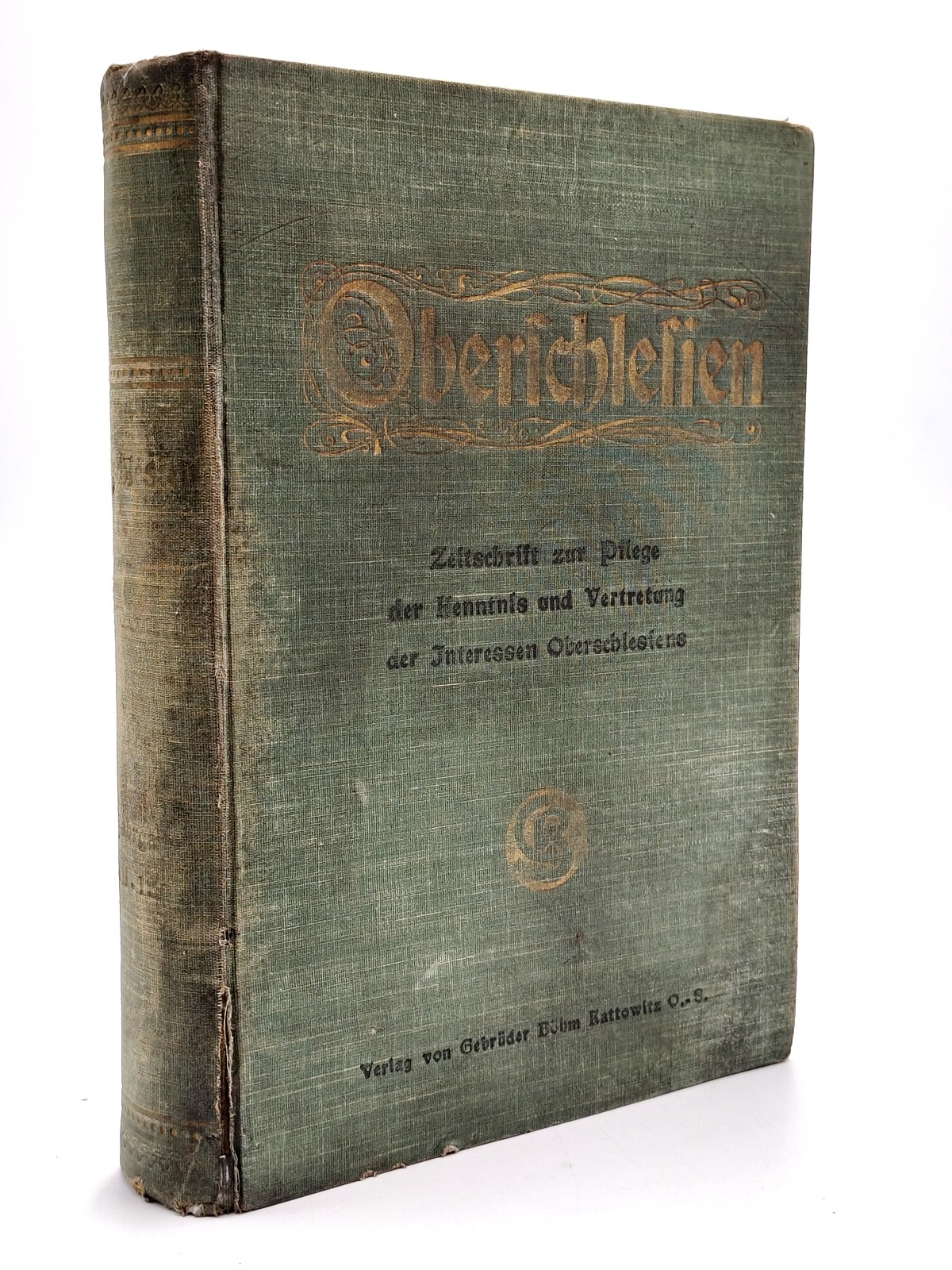
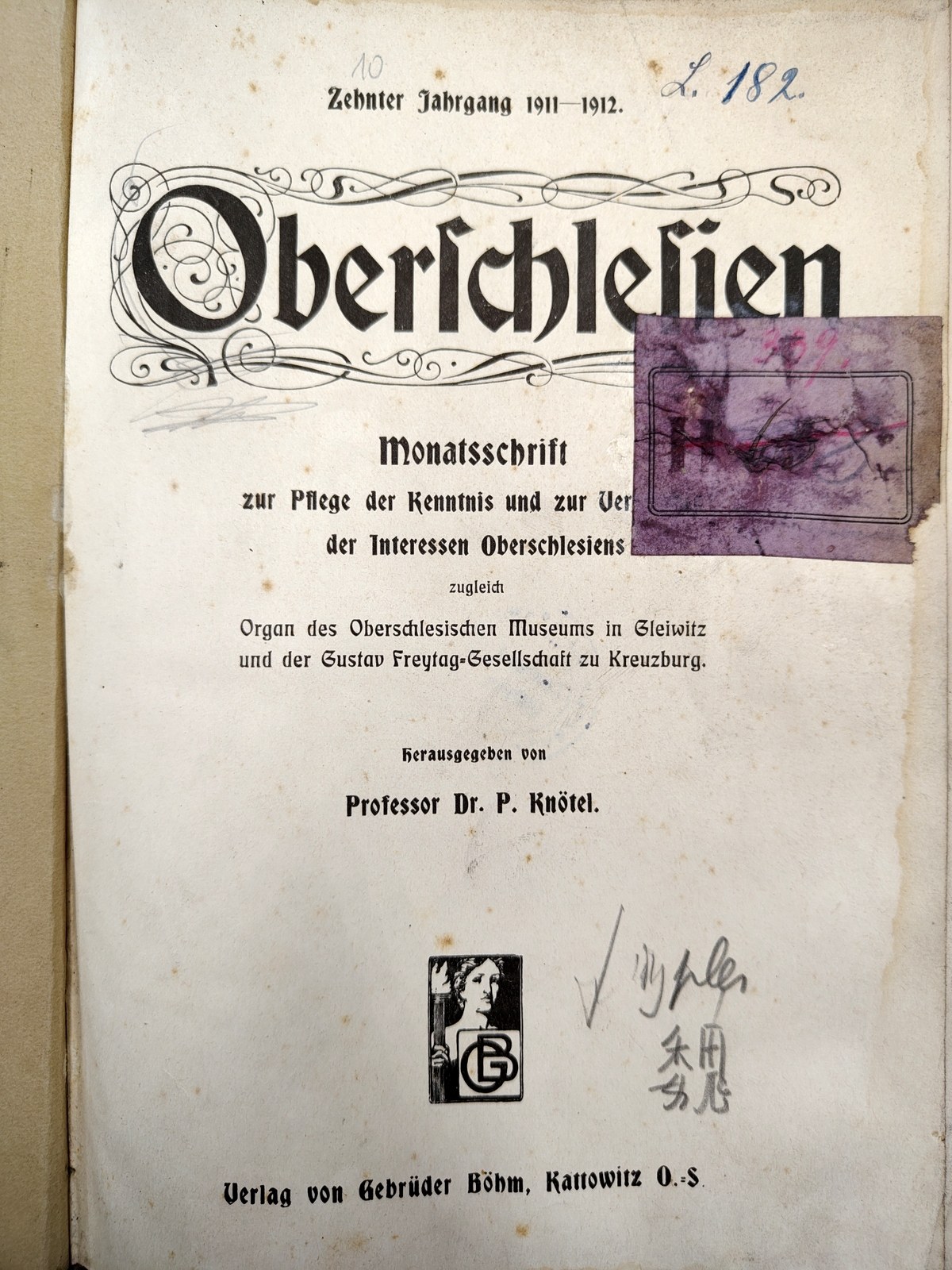
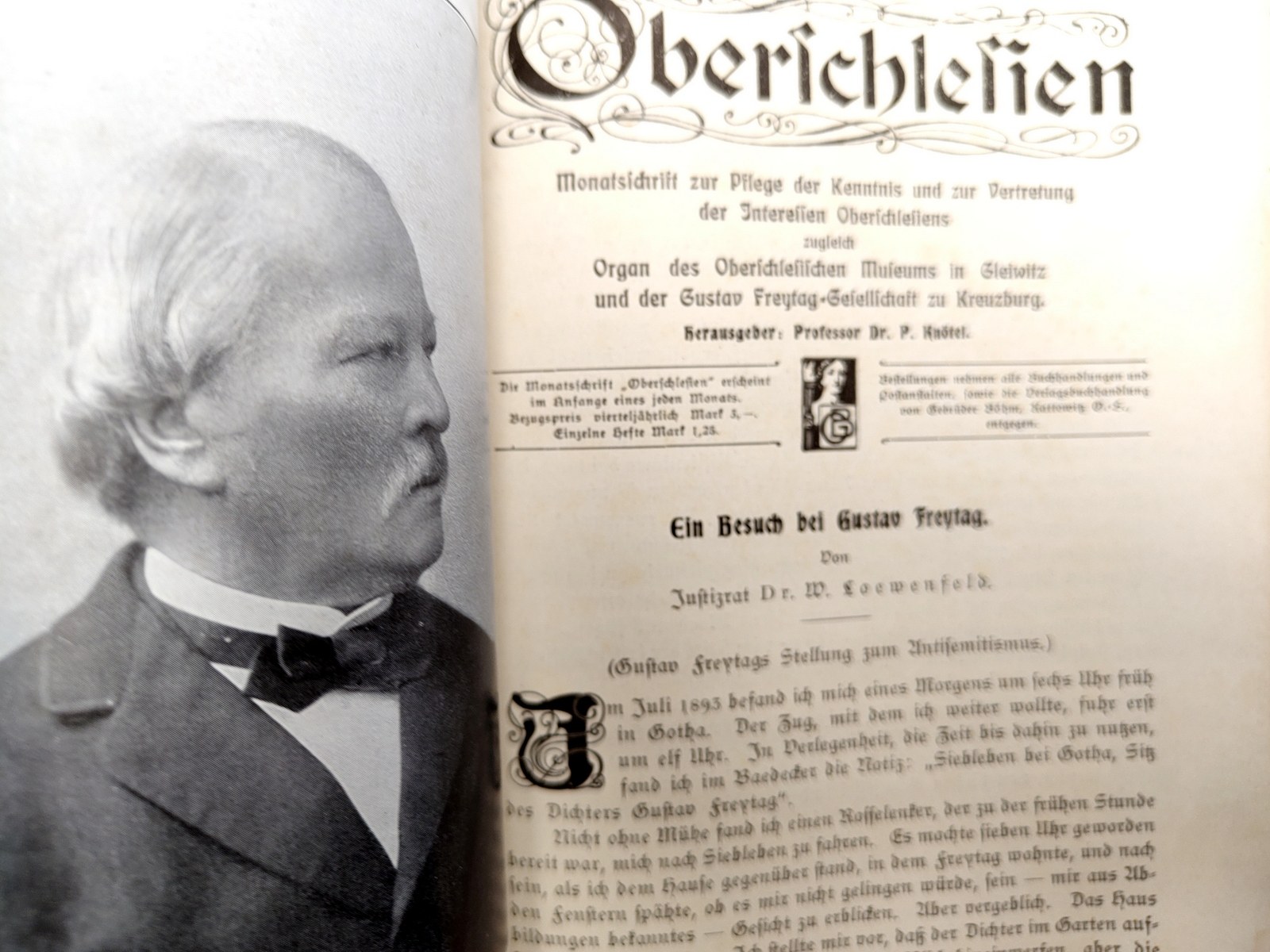
OBERSCHLESIEN. A monthly journal dedicated to fostering knowledge and representing the interests of Upper Silesia. Tenth volume, 1911–1912.
(Upper Silesia. A monthly journal dedicated to fostering knowledge and representing the interests of Upper Silesia. Volume 10: 1911–1912).
Editor: Prof. Dr. Paul Knötel (a distinguished Upper Silesian historian, educator, and researcher of the region’s history).
Official publication of: the Silesian Museum in Gliwice (Oberschlesisches Museum in Gleiwitz) and the Gustav Freytag Society in Kluczbork (Gustav Freytag-Gesellschaft zu Kreuzburg).
Kattowitz O.-S. (Katowice, Upper Silesia), [1911–1912].
Publisher: Verlag von Gebrüder Böhm (Böhm Brothers Publishing House).
Hardcover, publisher’s binding, cloth with title labels, scuffs and soiling on the cover, pages intact, overall good condition.
Number of pages: 628
Format: 17 x 24 [cm]
Rare.
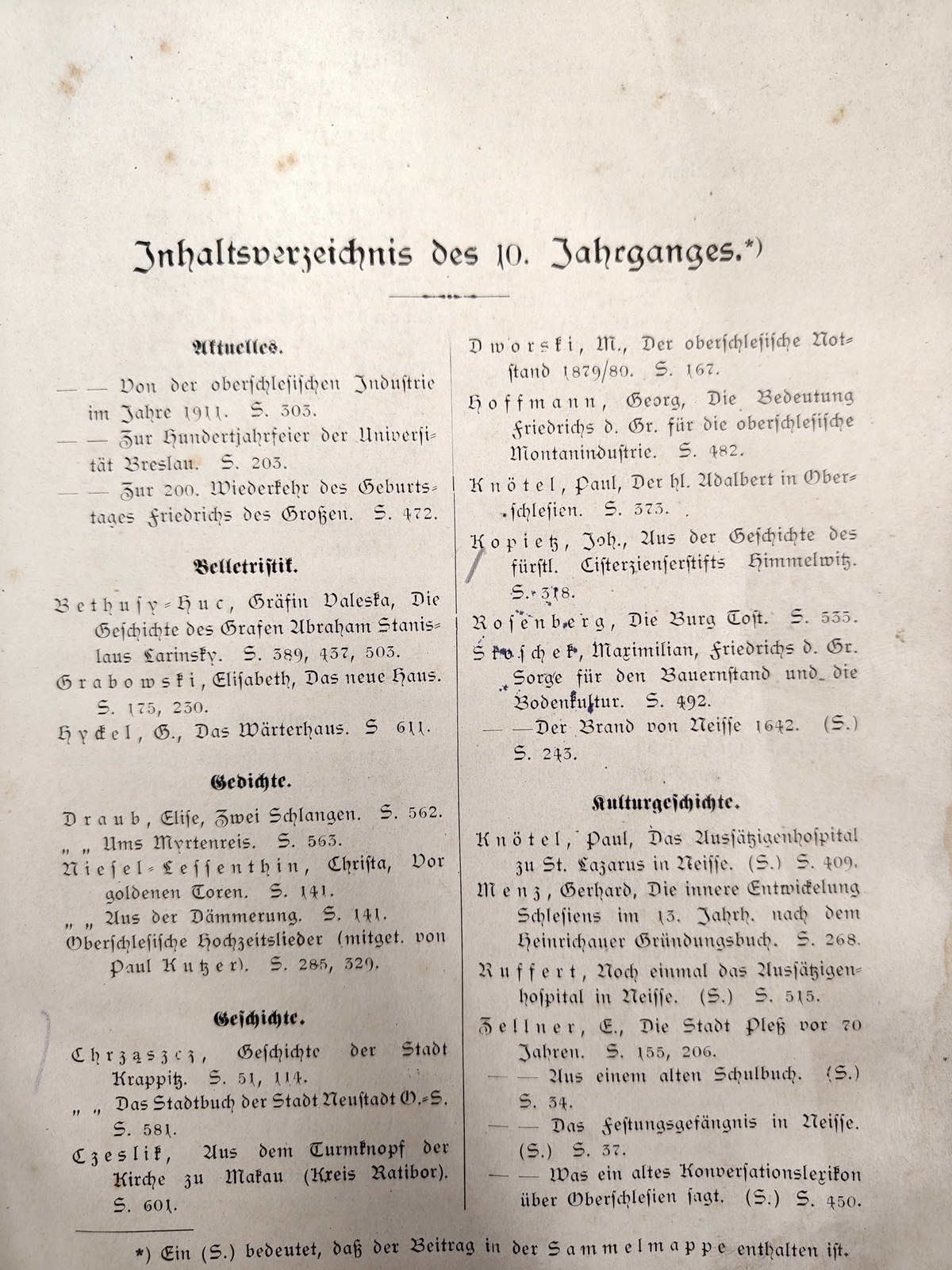
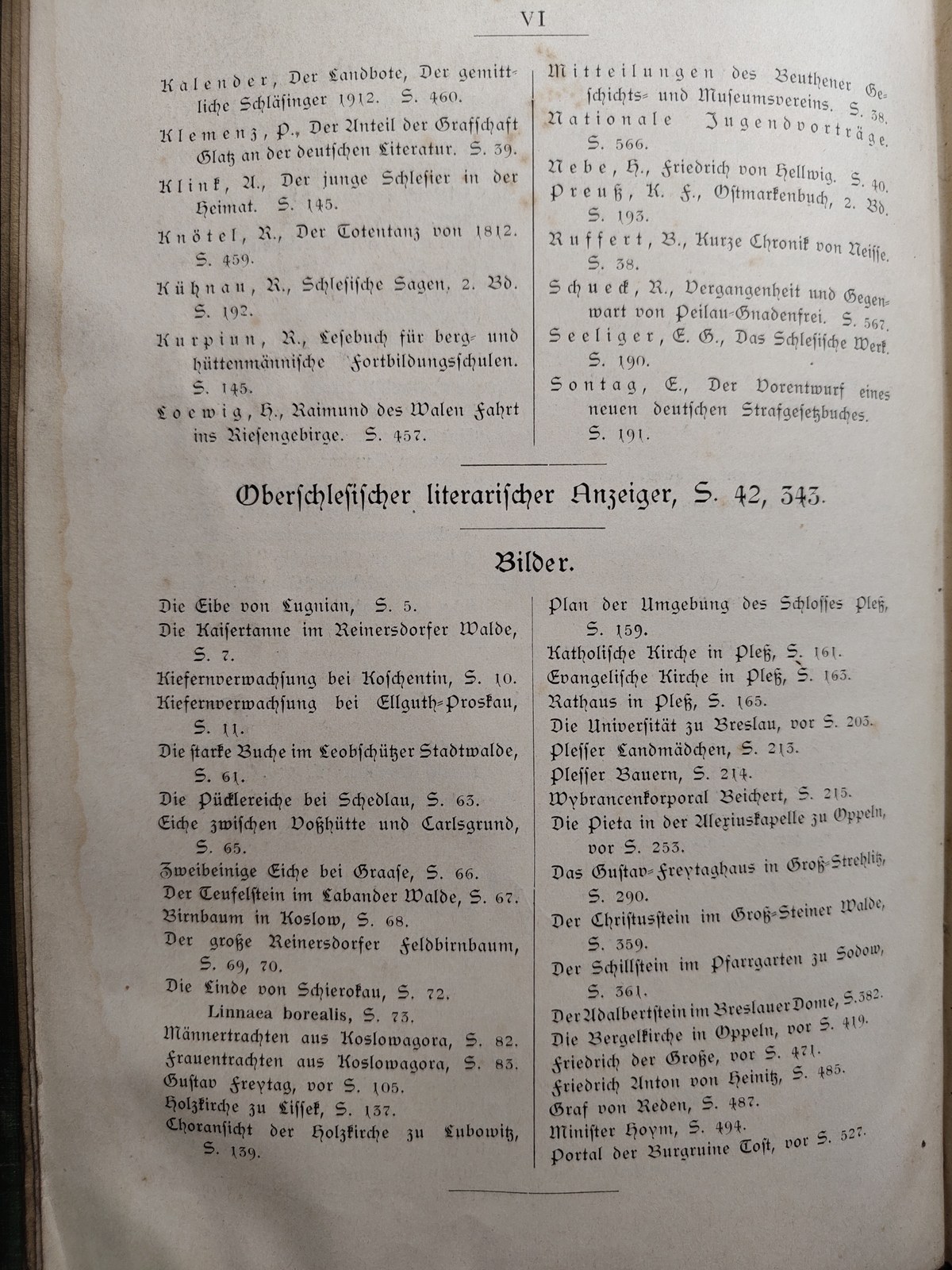
Includes, among other things:
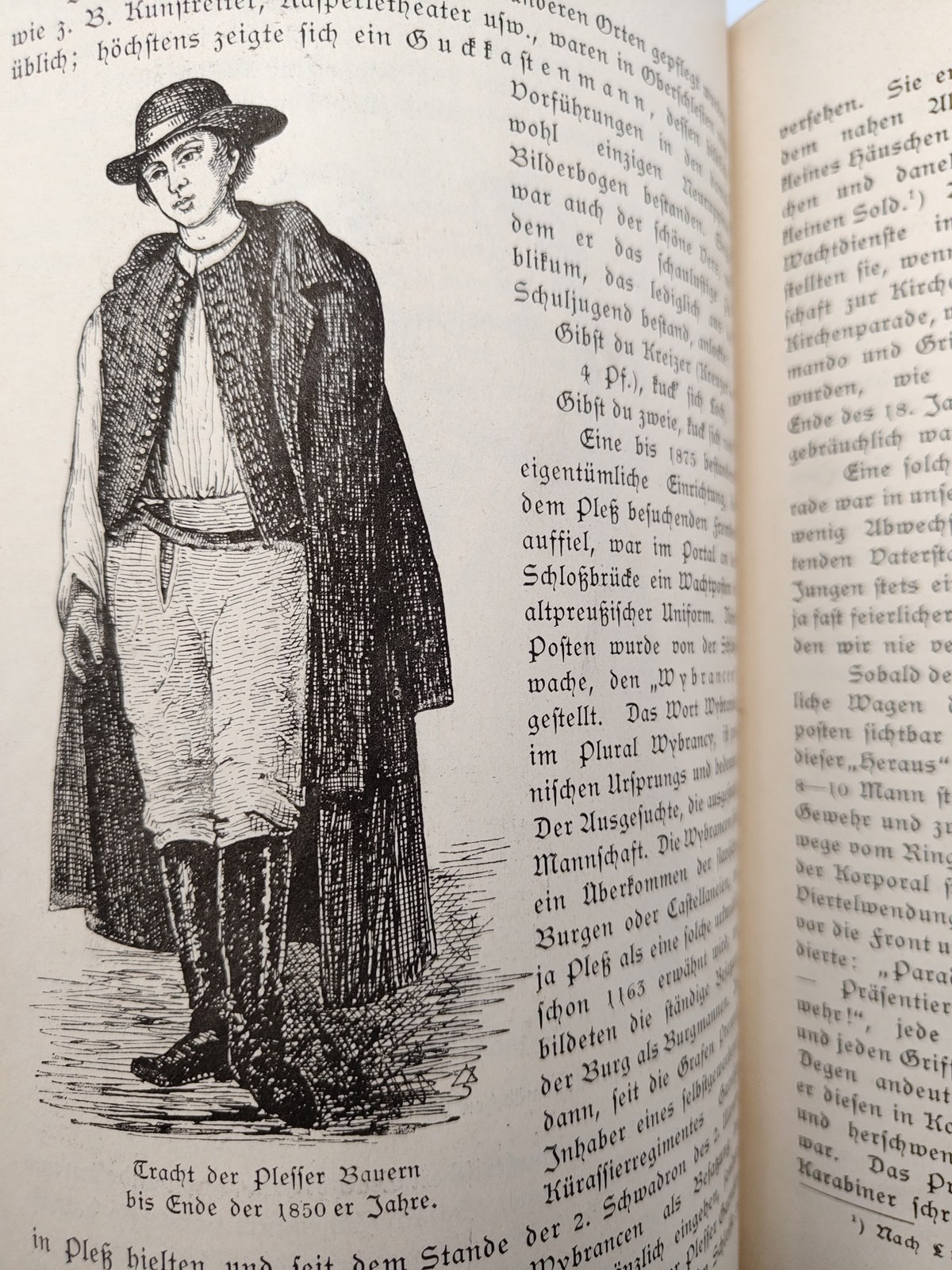
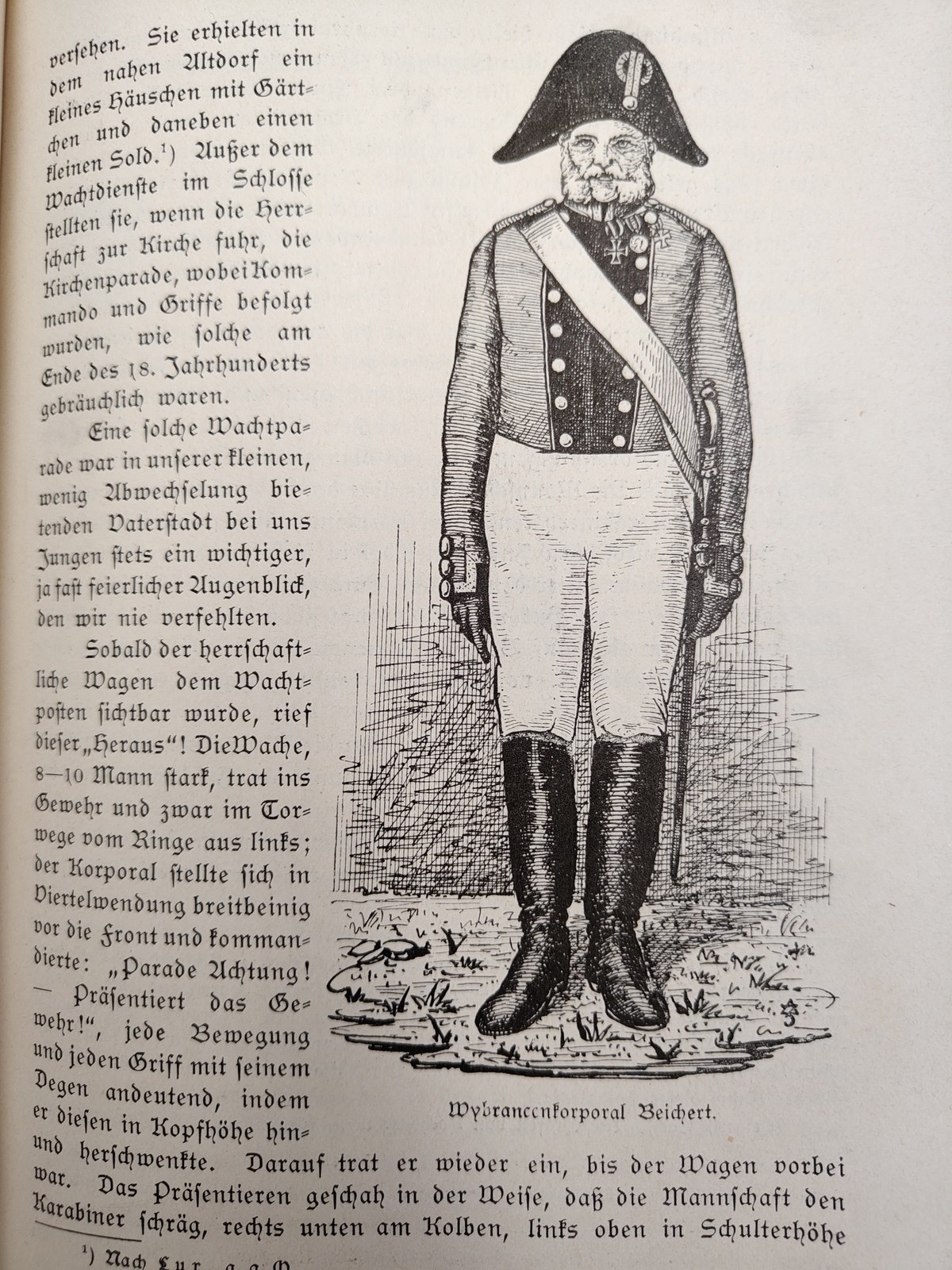
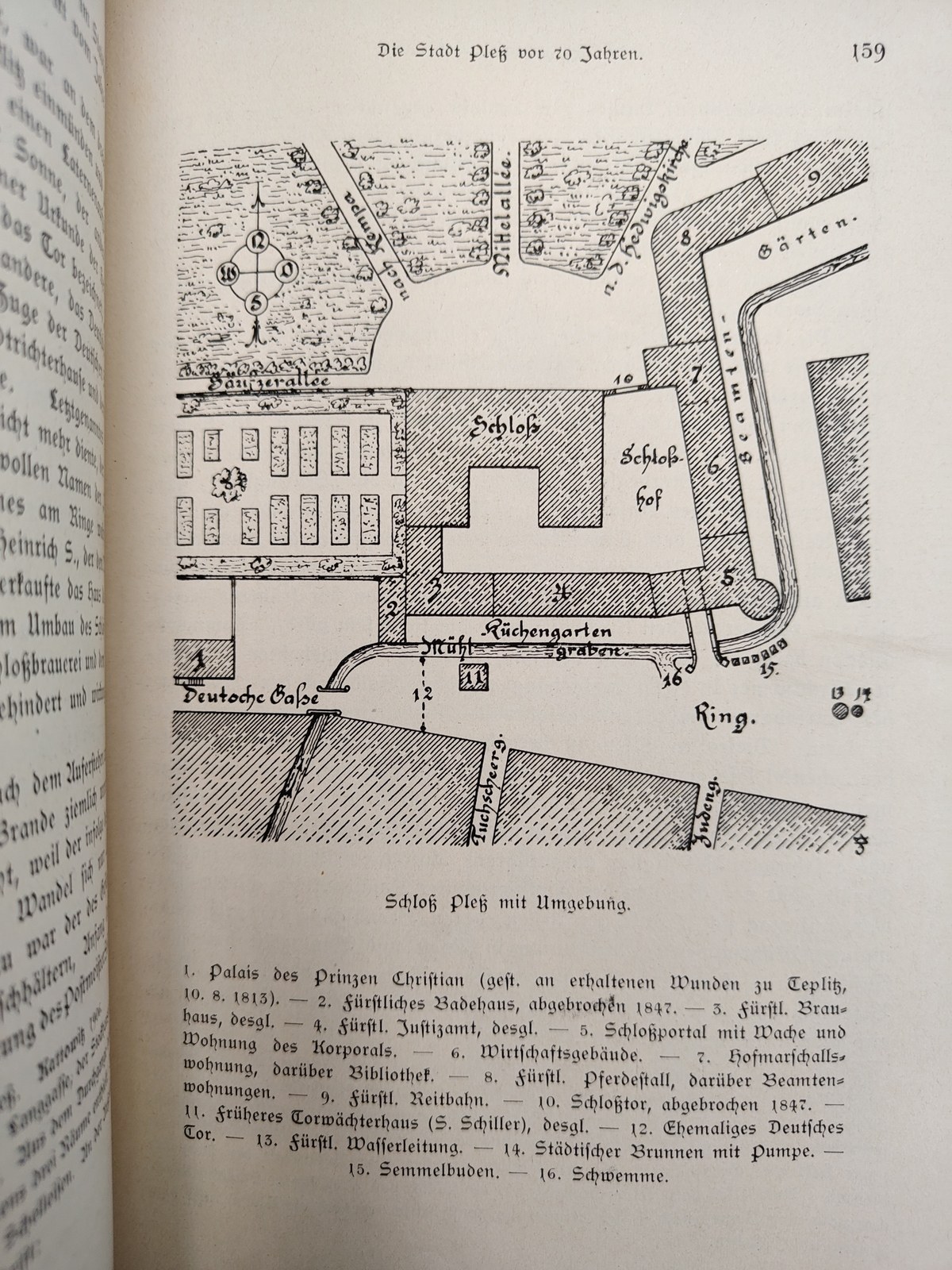
- Pszczyna (Pless) —a description of the castle, town hall, and two churches, as well as a portrayal of the daily life of Silesian peasants in the mid-19th century.
- Nysa (Neisse) —studies on the great fire of 1642, the history of the prison in the fortress, and the medieval leper hospital.
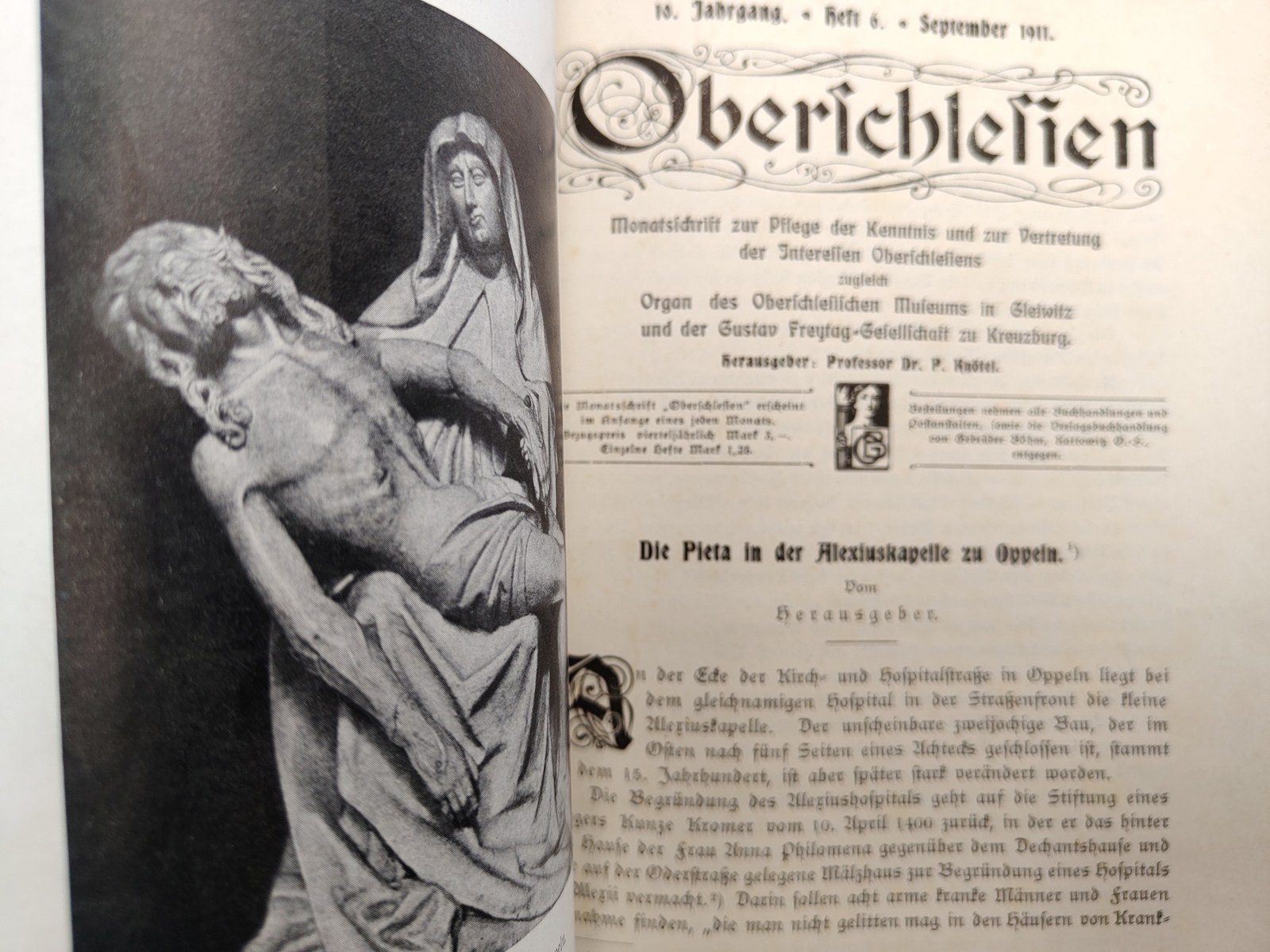
- Opole (Oppeln) —studies devoted to the Chapel of St. Alexius and the “Na Górce” Church.
- Łubniany (Lugnian) – a description of the famous, centuries-old yew tree, one of the most valuable natural monuments in Upper Silesia.
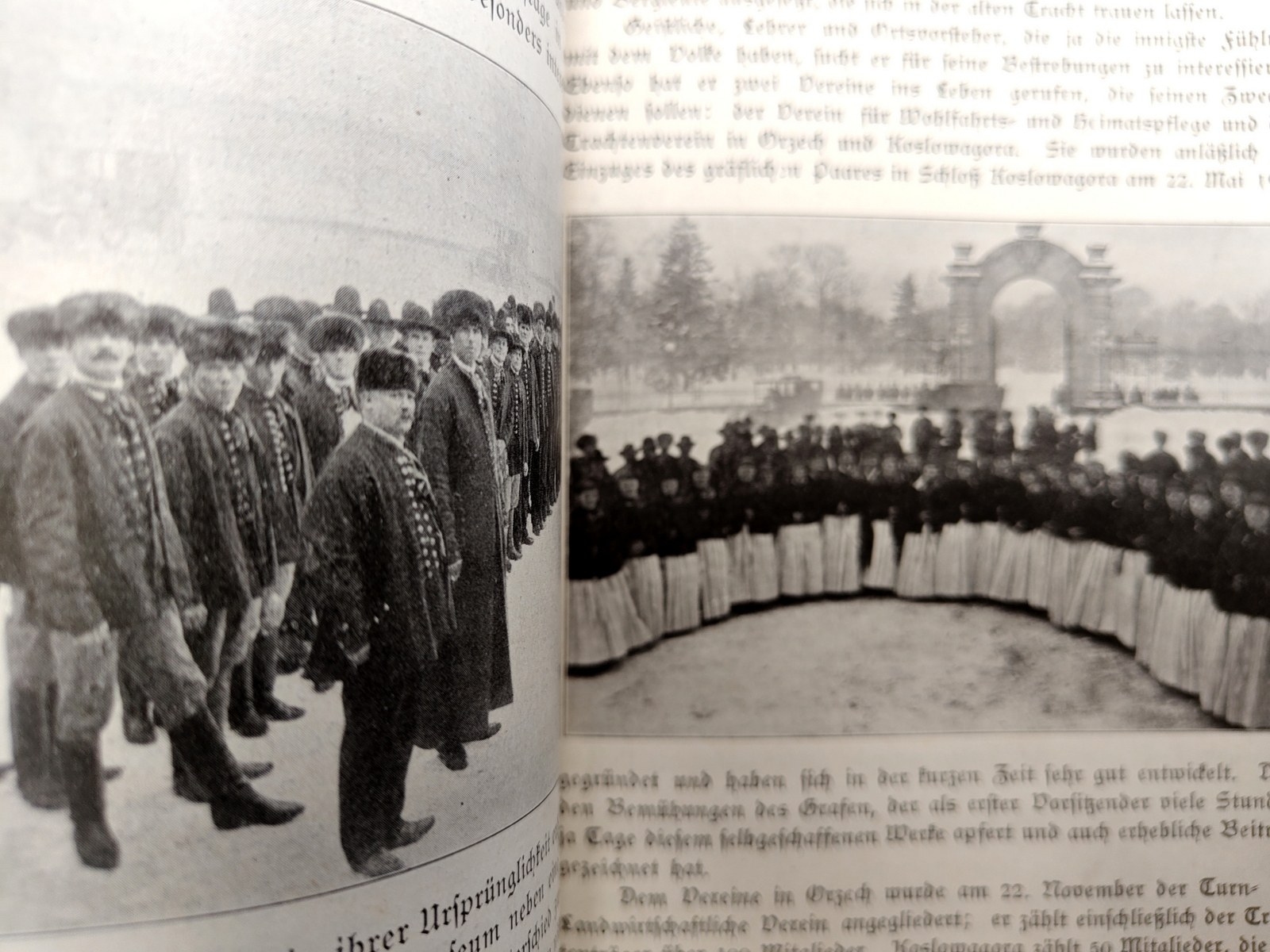
- Kozłowa Góra (Koslowagora) – a richly illustrated study of traditional Silesian wedding and folk costumes.
- Toszek (Tost) – an analysis of the architecture and decoration of the gate portal of the castle ruins.
- Krapkowice (Krapitz) and Prudnik (Neustadt O.-S.) – comprehensive historical monographs devoted to the origins and development of both towns.
- Wrocław (Breslau) —articles published to mark the centennial of the reorganized University of Wrocław.
- Głubczyce (Leobschütz) —a description of a monumental oak tree growing in the town forest.
- Maków near Racibórz (Makau) —a publication of a chronicle found in the spire of the local church.
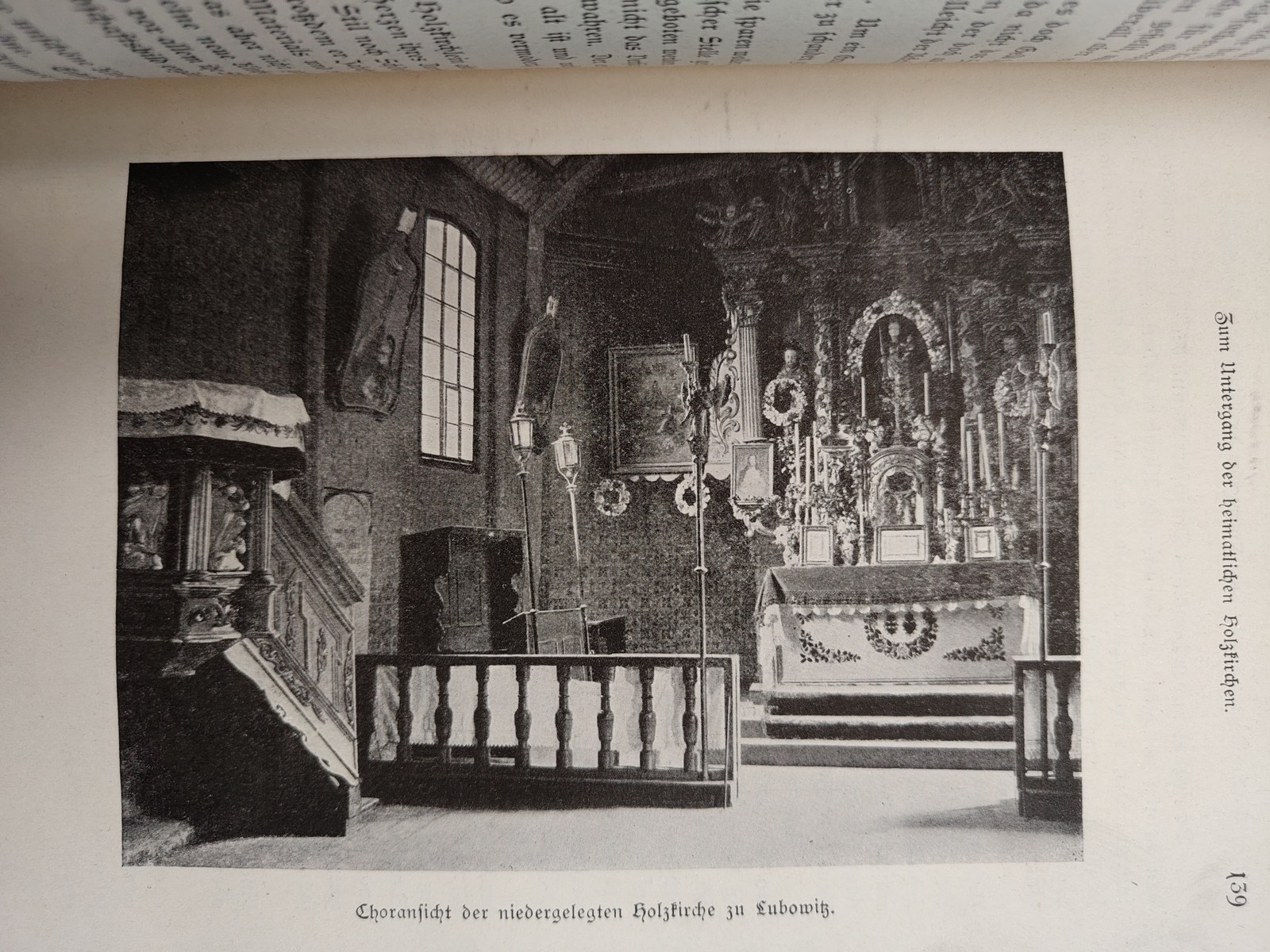
- Łubowice (Lubowitz) and Lyski (Lissek) – documentation of the architecture of historic wooden churches in Upper Silesia.
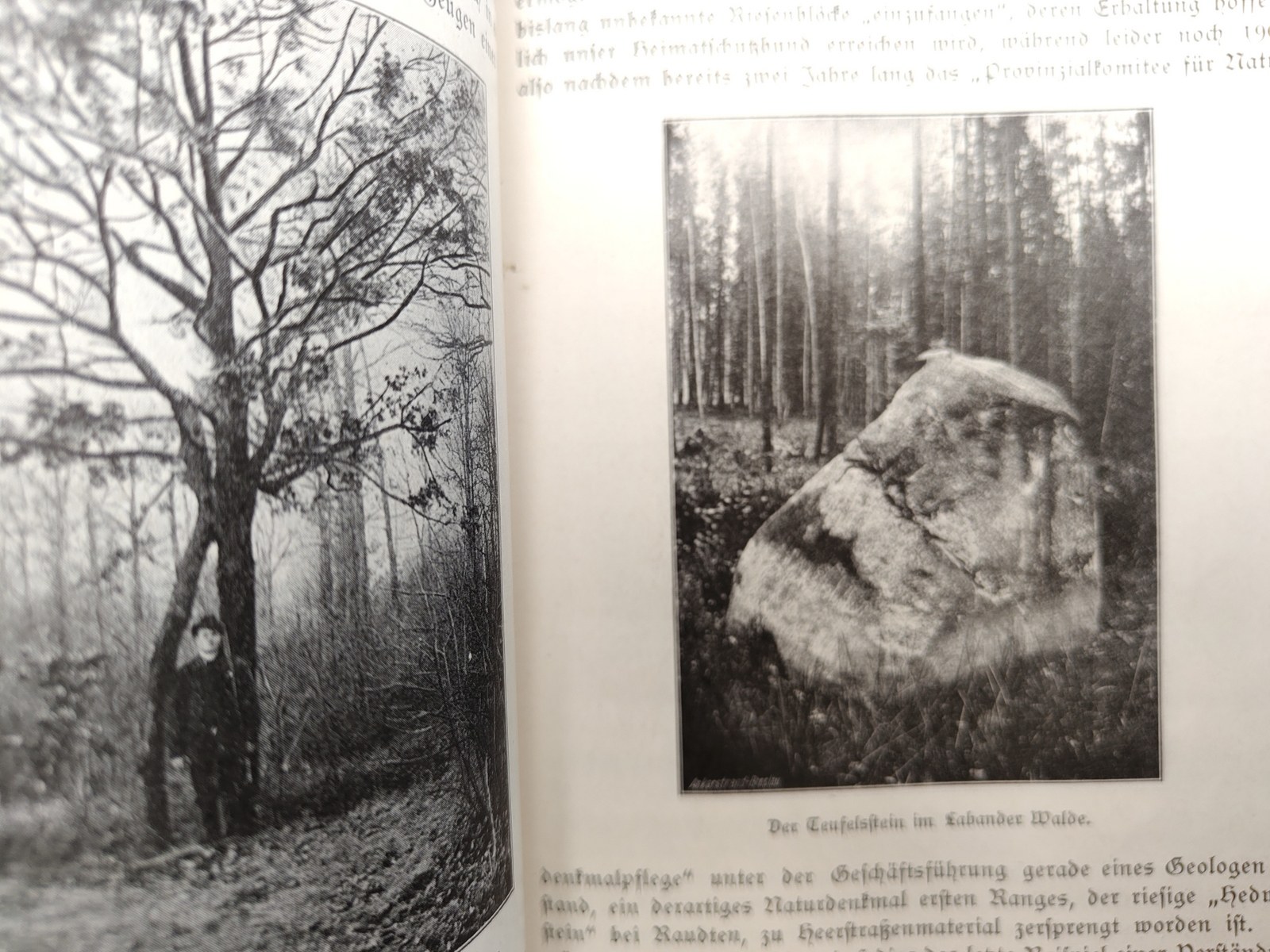
- Gliwice (Gleiwitz) – a study devoted to legends associated with the so-called “Devil’s Stone” in the forests of Łabędy.
- Piława Górna (Peilau-Gnadenfrei) – an overview of the history and development of this town in Lower Silesia.
- Koszęcin (Koschentin) and Prószków (Ellguth-Proskau) – a description of extraordinary natural phenomena, including conjoined pine trees found in the surrounding forests.
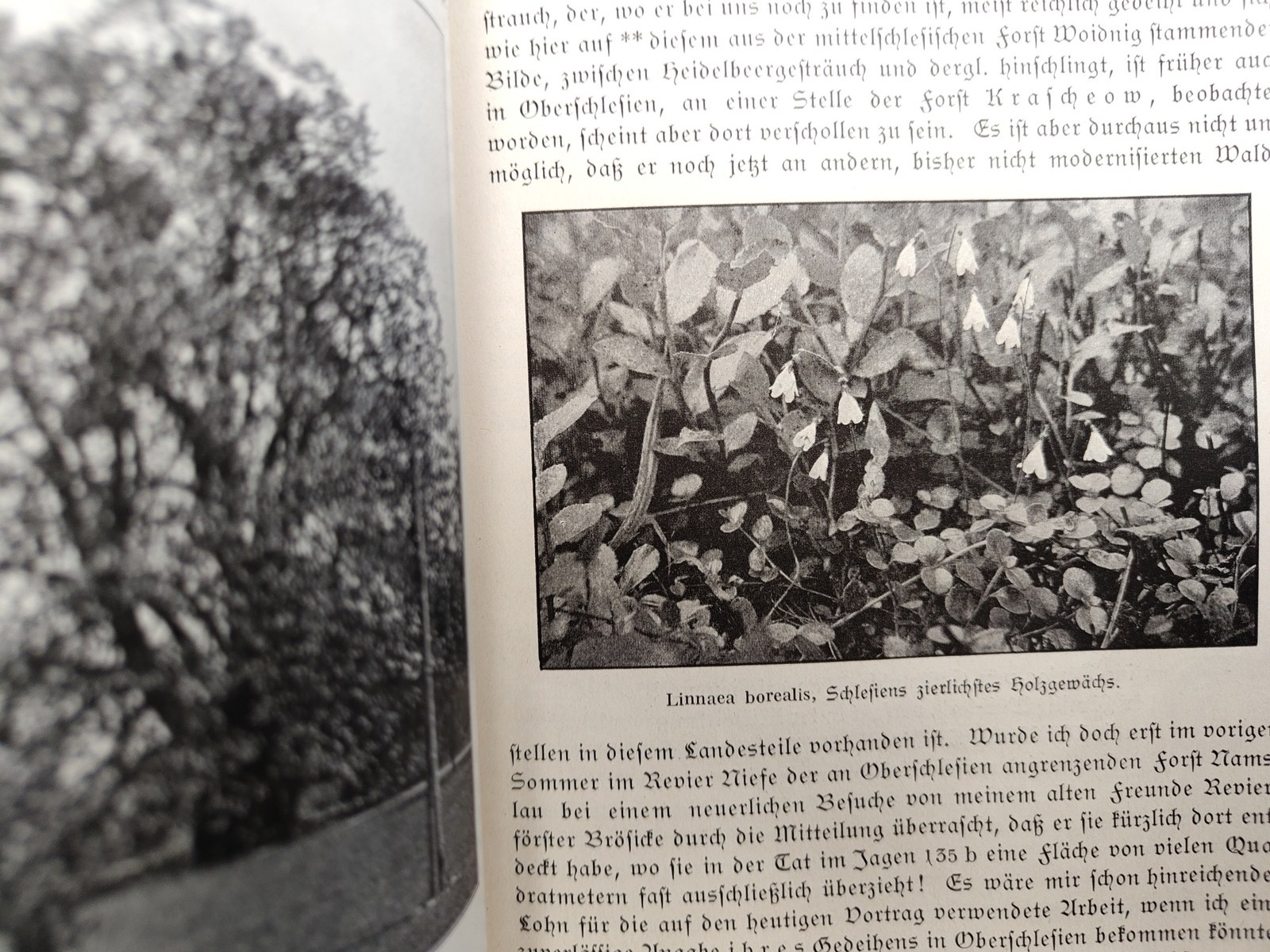
The book as a whole serves as a valuable resource for research on the history, architecture, ethnography, and natural environment of Upper and Lower Silesia; it is richly illustrated and contains numerous documentary materials.